The exploration of herbal extracts has gained significant attention in recent years. However, the question remains: What are the side effects of herbal extracts? Dr. Emily Verma, a leading herbal medicine researcher, emphasizes the importance of awareness. She states, "Not all herbal products are safe; their effects can vary widely." This highlights the necessity for thorough understanding and caution.
Many people assume herbal extracts are completely safe. Misconceptions can lead to harmful interactions. For instance, St. John's Wort may interfere with antidepressants. With many herbal products in the market, it is crucial to identify potential side effects. Patients often overlook that just because something is “natural” does not mean it is harmless.
Consumers need to recognize that herbal extracts can cause different reactions based on individual health factors. Allergies and underlying conditions may exacerbate side effects. Thus, consulting with healthcare professionals before use is essential. Identifying the side effects of these extracts requires diligence and critical thinking from both consumers and healthcare providers. The risks of dismissing this knowledge can have serious repercussions.
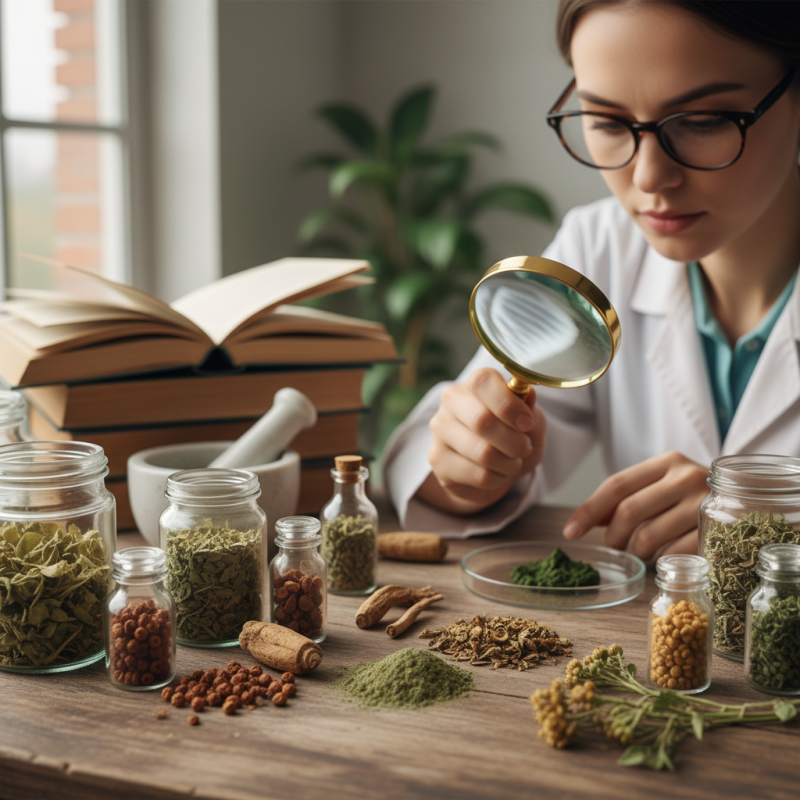
Herbal extracts have gained popularity for their natural healing properties. Many people turn to these remedies for various health concerns. However, understanding their uses is essential. Herbal extracts can provide benefits, but they may also pose risks.
Knowing which herbs to use can be challenging. For instance, a common herbal extract, ginger, is known for its anti-inflammatory effects. However, excessive consumption might lead to digestive issues. Another example is ginkgo biloba, often used for cognitive enhancement, but it may interact with certain medications. Users need to research and consult professionals before trying new extracts.
Attentiveness to body responses is crucial. Side effects can vary widely among individuals. Some may experience allergies or stomach discomfort. Keeping a journal can help identify any adverse reactions. This method allows for better understanding and encourages mindful usage. Always approach herbal extracts with caution, as their safety is not guaranteed.
Herbal extracts are popular for their potential health benefits. However, they may also cause side effects. Understanding these effects is crucial for safe usage.
Common side effects of herbal extracts include digestive issues. Some users report nausea or upset stomach after consumption. Skin reactions are another concern. Rashes or itching can occur, especially in sensitive individuals. Headaches and dizziness are also frequently mentioned. These issues may arise from ingredient interactions or individual sensitivities.
Not everyone experiences these side effects. Individual reactions vary based on health status and dosage. It’s important to monitor your body’s response. Consulting with a healthcare professional before beginning any herbal treatment is wise. They can provide personalized advice, ensuring safety and efficacy. Consider keeping a journal to track your experiences. This self-reflection can help identify unwanted effects more easily.
| Herbal Extract | Common Side Effects | Severity | Recommended Action |
|---|---|---|---|
| Gingko Biloba | Headaches, dizziness, gastrointestinal upset | Mild | Consult healthcare provider |
| St. John’s Wort | Photosensitivity, gastrointestinal issues, fatigue | Mild to Moderate | Monitor symptoms, avoid direct sunlight |
| Echinacea | Allergic reactions, upset stomach, rash | Mild | Discontinue use if allergic reactions occur |
| Valerian Root | Drowsiness, headache, upset stomach | Mild | Do not operate heavy machinery after use |
| Garlic Extract | Bad breath, body odor, gastrointestinal upset | Mild | Consult physician if severe irritation occurs |
Identifying side effects of herbal extracts requires systematic methodologies. Safety assessments play a critical role here. Clinical trials often provide the first layer of understanding. According to a 2021 report by the World Health Organization (WHO), over 200 herbal products were recalled due to safety concerns in various countries. This highlights the importance of thorough testing.
Another key methodology is observational studies. These studies track users over time, gathering real-world data about side effects. A 2022 survey revealed that nearly 30% of herbal extract users reported experiencing mild to severe side effects. Such data is invaluable for identifying risk factors. For instance, individuals with specific health conditions may experience different reactions.
Adverse event reporting systems are also vital. Healthcare professionals must report side effects observed in patients using herbal extracts. This data helps build a comprehensive profile of potential risks. However, underreporting is an ongoing issue. A 2020 analysis suggested that up to 80% of adverse events may never be reported, underscoring the need for improvement in this area. Utilizing these varied methodologies can guide more informed and safer use of herbal extracts.
Evaluating individual responses to herbal extracts can be quite challenging. Each person has a unique body chemistry. This means that what works well for one individual may not be effective for another. It is crucial to pay close attention to how a specific herbal extract affects you.
Start by documenting any noticeable changes after consuming an herbal extract. Note both positive and negative effects. Some people may experience gastrointestinal discomfort, while others might feel energized. Tracking these responses can help create a clearer picture of how the herbal remedy interacts with your body.
Consider dosage as well. A low dose may yield minimal effects, while a higher dose can lead to more pronounced reactions. However, higher doses might also increase the risk of side effects. Research suggests that gradual adjustments in dosage can lead to better evaluation of individual responses. This process may require patience and careful observation. It's essential to reflect on your experiences and consult with healthcare professionals if any concerning symptoms arise.
Consulting healthcare professionals before using herbal extracts is essential. Many people assume that natural means safe, but this isn’t always true. Herbal extracts can cause side effects or interact with prescribed medications. A 2020 survey indicated that over 30% of herbal supplement users reported adverse effects. These issues range from digestive problems to allergic reactions.
When considering herbal supplements, involve a healthcare provider. Professional guidance helps identify potential risks. Doctors can assess your health history and current medications. They may provide insights into effective dosages and safe combinations with other treatments. Not all herbal products are created equal. Some may lack purity or proper labeling.
Tips: Always disclose all supplements you’re taking. This transparency allows healthcare professionals to offer tailored advice. Monitor your body's responses closely after starting any new herbal extract. If you notice unusual symptoms, consult a healthcare provider immediately.
Being proactive about your health can prevent complications. Educate yourself with reliable sources about herbal remedies. Remember, safety should always come first, even when using natural products.
: Common side effects include digestive issues, skin reactions, headaches, and dizziness.
No, individual reactions vary based on health status and dosage.
Keeping a journal can help track both positive and negative effects.
Professional guidance can help identify risks and assess health history.
Yes, higher doses may lead to pronounced reactions or increased side effects.
Consult a healthcare provider immediately if you experience concerning symptoms.
No, some may lack purity or proper labeling, posing potential risks.
Always involve a healthcare provider to assess safe combinations.
Observing and documenting your experiences helps evaluate their effects better.
Not always; herbal extracts can still cause side effects and interactions.
Herbal extracts have gained popularity for their potential health benefits, but it's crucial to understand their side effects before use. Common side effects associated with herbal extracts can range from mild digestive issues to more severe reactions, highlighting the importance of awareness. To effectively identify these side effects, individuals should employ specific methodologies such as observing patterns of symptoms and maintaining a record of their consumption.
Additionally, evaluating personal responses is essential, as reactions may vary significantly from one person to another. Consulting healthcare professionals about herbal extracts is an invaluable step in ensuring safe consumption and minimizing risks. Ultimately, understanding "what are the side effects of herbal extracts" empowers users to make informed decisions about their health and well-being while utilizing these natural remedies.

Debaoyi Natural Plants