Herbal extracts often appear gentle, clean, and familiar. Their labels may show leaves, roots, and small glass bottles. Yet concentrated plant compounds can produce strong biological effects. Buyers should ask, “What are the side effects of herbal extracts?” before choosing a product.
Dr. Pieter Cohen, a supplement-safety researcher and associate professor at Harvard Medical School, has stated, “Natural is not a synonym for safe.” His warning deserves attention. Possible concerns include nausea, diarrhea, headaches, allergic reactions, and changes in blood pressure. Some extracts may also affect the liver or alter how prescription medicines work. The risk can increase when several products are combined. More is not better.
Quality matters greatly. A trustworthy buyer checks the botanical name, extract ratio, batch number, testing information, and suggested serving. Vague labels should raise questions. “Plant-based” does not prove purity. Contamination, inaccurate potency, or hidden ingredients can occur when quality controls are weak. However, not every reported reaction comes from the extract alone. Diet, medical history, dosage, and other medicines may also contribute.
This guide examines ten side effects that herbal-extract buyers should understand. It also considers warning signs, safer purchasing habits, and situations requiring professional advice. Evidence is uneven for many products. That uncertainty should not be ignored. Buyers deserve clear information, not confident promises. A pharmacist or qualified clinician can review possible interactions, especially during pregnancy, before surgery, or with chronic conditions. Even experienced users can misjudge a concentrated formula. That is the uncomfortable part.
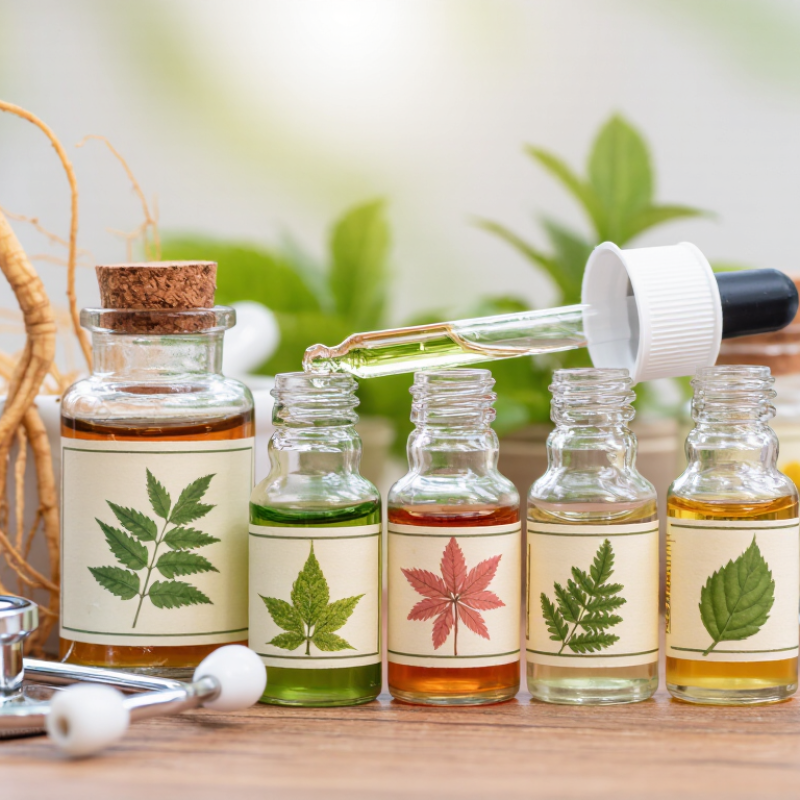
Herbal extracts are concentrated preparations made from leaves, roots, seeds, flowers, or bark. They may contain multiple active compounds, not just one gentle ingredient. “Natural” does not always mean harmless. The World Health Organization reported that 170 of 194 member states used traditional medicine in 2019. However, evidence and product quality vary widely between extracts. Processing can also change strength. A small capsule may deliver far more plant chemicals than a cup of tea.
Possible side effects include nausea, diarrhea, headache, dizziness, allergic reactions, sleep changes, and liver stress. Extracts may also affect blood pressure, blood sugar, bleeding, or prescription medicines. A U.S. study cited by the Food and Drug Administration estimated about 23,000 emergency department visits yearly from dietary supplement adverse events. Some cases involved swallowing problems, rapid heartbeats, or unexpected reactions. The number is not small. It is also not a complete global picture.
Tips: Check the botanical name, extract ratio, serving size, and testing information. Tell a doctor or pharmacist about every supplement you use. Extra caution matters during pregnancy, before surgery, and with liver or kidney disease. Do not assume a familiar plant has a predictable effect. Labels can be incomplete, and I think consumers sometimes trust confident wording too quickly. Professional advice may feel inconvenient, but guessing can be riskier.
Herbal extracts can produce pharmacological effects because they contain concentrated bioactive compounds. The chart ranks commonly documented adverse-effect and safety categories by a qualitative clinical concern score from 1 to 5. The score reflects how consistently each category is described in authoritative safety references; it is not an incidence rate or an individual risk estimate.
Possible reactions depend on the plant, extract concentration, dose, product quality, duration of use, and interactions with medicines. Buyers should check the ingredient list and seek professional advice, especially when pregnant, managing chronic disease, or taking prescription medication.
Top 10 Side Effects of Herbal Extracts Buyers Should Know: Digestive Problems Linked to Herbal Extract Consumption
Herbal extracts may trigger nausea, stomach cramps, bloating, loose stools, or constipation. Concentrated capsules can deliver far more compounds than ordinary food. The risk may rise when several extracts are taken together. WHO’s 2019 Global Report on Traditional and Complementary Medicine states that 170 of 194 member states report using traditional medicine. High use does not prove equal safety. That distinction matters.
NCCIH notes that ginger can cause abdominal discomfort, heartburn, and diarrhea, especially at higher amounts. Senna commonly causes cramps and loose stools through intestinal stimulation. Some products also contain undeclared ingredients or inconsistent concentrations. The FDA warns that dietary supplements are not approved for safety and effectiveness before marketing. Its adverse-event system is voluntary, so reported cases probably understate the real burden. Evidence remains uneven. We should admit that.
Tips: Check the extract amount, not only the serving size. Introduce one product at a time. Take notes on meals, timing, cramps, and stool changes. Stop use and seek medical advice for persistent vomiting, bloody stools, severe pain, or dehydration. Ask a pharmacist about interactions, especially with medicines for diabetes, blood pressure, or clotting. “Natural” is not a digestive safety certificate.
Herbal extracts can trigger hives, itching, redness, or swelling, especially in sensitive users. Contact dermatitis may appear where a lotion, balm, or diluted extract touches the skin. Symptoms can include burning, dry patches, blisters, and peeling. Some plant compounds may also increase sun sensitivity, leaving exposed skin unusually red after short sunlight exposure.
100,000
The FDA reports receiving about 100,000 adverse-event reports linked to dietary supplements each year.
This figure covers all supplements, not herbal extracts alone, and reporting remains incomplete. Underreporting matters.
A 2023 review in Contact Dermatitis also noted that botanical ingredients can cause allergic contact dermatitis, particularly when products contain concentrated aromatic compounds. Patch testing can help investigate skin reactions, but it cannot predict every reaction after swallowing an extract.
Buyers should check the full ingredient list, extract strength, and allergen warnings. “Natural” does not mean non-irritating. Apply a small amount to intact skin first, unless a clinician advises otherwise. Stop using the product if itching, swelling, or widespread redness develops. Seek urgent medical care for facial swelling, breathing difficulty, dizziness, or rapidly spreading hives. Even careful advice has limits: a delayed rash may appear hours or days later, making the responsible ingredient difficult to identify.
Herbal extracts can affect more than digestion. Common reactions include nausea, diarrhea, constipation, headache, dizziness, insomnia, and skin rashes. Some products may also cause palpitations, low blood sugar, unusual bleeding, kidney stress, or liver injury. The U.S. Drug-Induced Liver Injury Network found herbal and dietary supplements involved in 15.5% of 839 confirmed liver-injury cases. That figure deserves attention, although it does not represent every product sold.
Drug interactions often create the greatest risk. St John’s wort can activate liver enzymes and reduce concentrations of some medicines, including contraceptives, transplant drugs, and certain cardiovascular treatments. Ginkgo may increase bleeding risk with anticoagulants. Concentrated green tea extracts have been linked with liver injury and may alter drug metabolism.
These effects can involve the nervous, cardiovascular, endocrine, digestive, and urinary systems. Symptoms may appear as dark urine, yellow skin, faintness, tremors, or a racing heartbeat.
Labels are not always complete. That is a problem. A 2023 analysis from the U.S. National Poison Data System recorded more than 2.4 million human exposure cases across substances, while herbal-specific reporting remained uneven. Buyers should record the exact extract, dose, and timing. Pharmacists can check interactions against the full medication list, including pain relievers and vitamins.
I have seen people treat “natural” as a safety guarantee; that assumption needs reconsideration.
Top 10 Side Effects of Herbal Extracts Buyers Should Know
Higher-risk buyers need more than a “natural” label before choosing an herbal extract. Pregnant or breastfeeding people, children, older adults, and anyone with liver or kidney disease should seek professional advice. People using blood thinners, diabetes medicines, sedatives, or blood-pressure drugs may face stronger interactions. Surgery also changes the risk, so disclosure to a qualified clinician matters.
Common reactions include nausea, stomach cramps, headache, dizziness, insomnia, skin rashes, and changes in blood pressure or blood sugar. Rare reactions can be more serious. Natural does not mean harmless. Buyers should check the botanical name, plant part, extraction method, serving size, and allergen information. A vague label creates unnecessary uncertainty.
Look for batch identification, contaminant testing, and a certificate of analysis from an independent laboratory. Testing should address heavy metals, microbes, pesticides, and undeclared ingredients. Traceable sourcing is useful, but it does not prove effectiveness. Check twice. A higher price may reflect testing, or simply marketing. Buyers should begin with the lowest reasonable amount, avoid combining several unfamiliar extracts, and stop after unusual symptoms appear. Even careful selection can fail when dosage, medicine history, or product quality is misunderstood.
| No. | Potential Side Effect | Extract Types Commonly Associated | Higher-Risk Buyers | Safer Selection Considerations | Warning Signs Requiring Medical Advice |
|---|---|---|---|---|---|
| 1 | Digestive upset Nausea, abdominal discomfort, diarrhea, or constipation. |
Concentrated extracts, bitter herbs, laxative herbs, and products containing multiple ingredients. | People with irritable bowel disease, ulcers, chronic digestive disorders, or very sensitive stomachs. | Choose a clearly labeled product, avoid unnecessary multi-herb blends, and follow the stated serving size. | Persistent vomiting, bloody stool, severe abdominal pain, or signs of dehydration. |
| 2 | Allergic reactions Rash, itching, swelling, wheezing, or breathing difficulty. |
Any botanical extract, especially products from plants related to a known pollen, food, or latex allergy. | People with severe allergies, asthma, or a history of anaphylaxis. | Review all ingredients, excipients, and allergen statements; introduce only one new product at a time. | Facial or throat swelling, breathing difficulty, dizziness, or widespread hives require emergency care. |
| 3 | Drug interactions Herbal extracts may increase or reduce the effects of prescription or over-the-counter medicines. |
Extracts with effects on liver enzymes, blood clotting, blood pressure, blood sugar, or the central nervous system. | People taking anticoagulants, diabetes medicines, sedatives, antidepressants, blood-pressure medicines, or transplant medicines. | Ask a pharmacist or clinician to check the complete medicine and supplement list before use. | Unexpected bleeding, extreme drowsiness, fainting, irregular heartbeat, or sudden changes in blood glucose. |
| 4 | Liver injury Abnormal liver enzymes, jaundice, dark urine, or unusual fatigue. |
Certain concentrated, multi-ingredient, or adulterated products; risk varies substantially by plant and preparation. | People with liver disease, heavy alcohol use, or medicines that can affect the liver. | Prefer products with full botanical names, plant parts, extraction details, batch testing, and contaminant screening. | Yellow skin or eyes, dark urine, pale stool, severe itching, or persistent right-upper-abdominal pain. |
| 5 | Kidney stress or injury Changes in urination, fluid balance, or kidney laboratory results. |
Unknown or contaminated extracts, strongly diuretic products, and herbs with reported kidney toxicity concerns. | People with chronic kidney disease, kidney stones, dehydration, or dialysis treatment. | Avoid products with undisclosed proprietary blends; seek professional advice when kidney function is reduced. | Markedly reduced urination, swelling, blood in urine, severe flank pain, or sudden weakness. |
| 6 | Changes in blood pressure or heart rate Dizziness, palpitations, or fainting. |
Stimulant-like, sedating, diuretic, or cardiovascular-active extracts. | People with heart disease, arrhythmias, uncontrolled hypertension, or low blood pressure. | Avoid combining products with similar cardiovascular effects; select standardized, single-ingredient products when appropriate. | Chest pain, fainting, severe palpitations, or shortness of breath require prompt medical evaluation. |
| 7 | Blood sugar changes Low or high blood glucose, sweating, shakiness, or confusion. |
Extracts promoted for glucose control or those with potential insulin-sensitizing effects. | People with diabetes, prediabetes, or medicines that lower blood glucose. | Discuss use with a clinician and monitor glucose more closely when starting or stopping a product. | Confusion, seizure, loss of consciousness, or repeated glucose readings outside the individualized target range. |
| 8 | Excessive sedation or nervous-system effects Drowsiness, impaired coordination, insomnia, anxiety, or headache. |
Sedating herbs, stimulant-like extracts, and products combined with caffeine or other active ingredients. | People using sleeping pills, opioids, alcohol, anti-anxiety medicines, or operating vehicles and machinery. | Do not combine with alcohol or sedatives; avoid driving until individual effects are known. | Extreme sleepiness, slowed breathing, severe agitation, seizure, or loss of coordination. |
| 9 | Bleeding or clotting changes Easy bruising, nosebleeds, or prolonged bleeding. |
Extracts with antiplatelet, anticoagulant, or circulation-related effects. | People taking blood thinners, those with bleeding disorders, or anyone preparing for surgery. | Disclose all supplements before surgery or dental procedures and obtain individualized medical advice. | Uncontrolled bleeding, black stools, vomiting blood, severe headache, or sudden weakness. |
| 10 | Product contamination or adulteration Unexpected toxicity caused by undeclared drugs, heavy metals, microbes, pesticides, or incorrect plant material. |
Products with weak quality controls, unclear sourcing, or unusually strong performance claims. | Children, pregnant or breastfeeding individuals, older adults, and people with chronic medical conditions. | Look for lot numbers, expiration dates, identity testing, heavy-metal and microbial testing, and transparent allergen information. | Unexplained severe symptoms, neurological changes, persistent vomiting, or illness affecting multiple users of the same product. |
They may cause nausea, stomach cramps, bloating, loose stools, or constipation. Concentrated capsules can deliver large amounts quickly. That matters.
Combining products may increase total exposure and create overlapping effects. For example, cramps or diarrhea may worsen. The exact cause can be difficult to identify.
No. Natural ingredients can still affect digestion, blood sugar, blood pressure, bleeding, or the liver. That assumption deserves reconsideration.
Seek advice for persistent vomiting, bloody stools, severe pain, faintness, or dehydration. Dark urine and yellow skin also need prompt attention. Do not wait too long.
Pregnant or breastfeeding people, children, older adults, and people with liver or kidney disease should ask first. Medicine users also need careful review.
Possible interactions involve blood thinners, diabetes medicines, sedatives, and blood-pressure treatments. Some extracts may change medicine levels or increase bleeding risk.
Check the botanical name, plant part, extraction method, amount, allergens, and batch information. Look for independent testing for microbes, pesticides, and heavy metals.
Introduce one product at a time and use the lowest reasonable amount. Record meals, timing, cramps, and stool changes. Stop when unusual symptoms appear. Mistakes still happen.
Herbal extracts are concentrated plant-based ingredients used in supplements, foods, and personal wellness products. Although they are often viewed as natural, their potency can produce unwanted effects. What are the side effects of herbal extracts? Common concerns include nausea, stomach discomfort, diarrhea, constipation, bloating, headaches, dizziness, and changes in appetite. Some people may also experience skin irritation, itching, hives, or other allergic reactions, especially when they are sensitive to a particular plant.
Herbal extracts may also interact with prescription medicines or affect the liver, kidneys, heart rate, blood pressure, or blood clotting. Pregnant or breastfeeding individuals, children, older adults, and people with existing medical conditions should take extra care before using them. Safer selection involves checking ingredient lists, choosing products with clear usage instructions, avoiding excessive doses, and discussing potential interactions with a qualified healthcare professional. Stop using an extract and seek medical advice if severe or unusual symptoms occur.

Debaoyi Natural Plants